

『Would you like to generate the Meta Descriptions for these specific titles to help boost your click-through rate on Google?』Related information(v cone flow meter|rotary gas meter|gallon meter|gear meter|metal tube rotameter|glass tube rotameter|nutating disk meter|transit time ultrasonic flow meter|wedge flow meter|pd meters|hydraulic flow meter|ultrasonic water flow meter|water flow meter|air flow meter|magnetic water flow meter|oxygen flow meter|gas flow meter|argon flow meter|air velocity meter|gasoline flow meter|fuel flow meter|ultrasonic water meter|digital water meter|nitrogen flow meter|solid flow meter|Oxygen tank flow meter|digital water flow meter|diesel fuel flow meter|steam flow meter|02 flow meter|compressed air flow meter|oil flow meter|liquid flow meter)
Electromagnetic Flow Meter for Seawater Desalination Plant
Quick Answer: An electromagnetic flow meter with PTFE liner and tantalum electrodes is the standard choice for seawater desalination lines. It measures feed water, permeate, and brine with no pressure drop. Silver Automation Instruments supplies these meters in sizes from DN15 to DN2000 with 4-20 mA HART output.
Why an Electromagnetic Meter Works for Seawater
Seawater has high conductivity, usually around 50,000 µS/cm. An electromagnetic flow meter needs only 5 µS/cm to operate. The sensor has no moving parts and no flow obstruction. In practice, this means less cleaning and fewer shutdowns on a desalination skid.
But not every magnetic meter is built for seawater. The liner and electrodes matter. Cheap meters with neoprene liners fail early. We have seen this on customer sites many times. Use PTFE or PFA liner for seawater and brine. Use tantalum or titanium electrodes for corrosion resistance.
Key Parameters for a Desalination Plant Flow Meter
You need to confirm five values before ordering. Flow range in m3/h, pipe size DN, pressure in bar, temperature in °C, and signal output. A typical seawater intake line uses DN300, 6 bar, 28 °C, and 4-20 mA HART. A brine discharge line often runs at DN200, 4 bar, 35 °C.
The flow velocity should stay between 0.5 and 10 m/s. Lower velocity may reduce accuracy. Higher velocity may erode the liner. For a DN200 line, a flow of 100 to 900 m3/h falls inside this range. Tell us your normal flow, not just the maximum flow. That helps us select the right size.
Liner and Electrode Selection for Seawater
Seawater feed and permeate: PTFE liner with tantalum electrodes. Brine and concentrate: PFA liner with titanium or Hastelloy C electrodes. For chlorinated seawater, use PFA liner and titanium electrodes. Do not use stainless steel electrodes in seawater. Stainless steel cannot withstand chloride pitting for long.
Hard rubber liners work for raw seawater but not for high temperature brine above 60 °C. PTFE handles -25 to 120 °C. PFA handles -25 to 150 °C. We recommend PTFE for most desalination plants because it costs less and lasts long.
Installation and Grounding in Marine Environments
Proper grounding is important for electromagnetic flow meters. Seawater pipelines often have cathodic protection. That can cause stray currents. Use grounding rings or grounding electrodes to reduce signal noise. For plastic pipes, use grounding rings. For metal pipes, grounding electrodes are enough.
Mount the sensor in a location that stays full of liquid. Avoid a partially filled pipe. A
Silver Automation Instruments Supply Scope
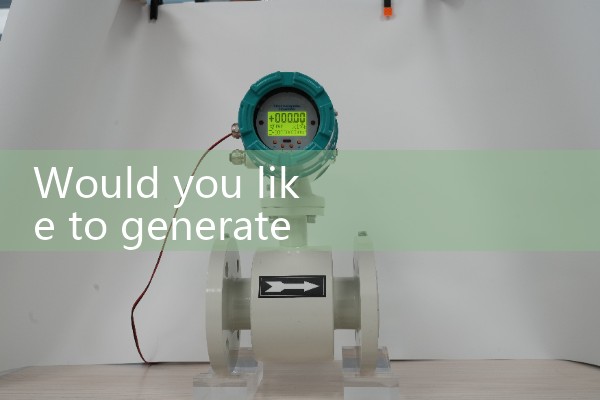
We supply compact and remote electromagnetic flow meters for seawater. The remote version has an IP68 sensor and a wall-mounted converter. That helps when the meter is in a pit or below deck. The compact version works well for skid builders in Vietnam, Saudi Arabia, and Australia.
A desalination plant in Oman used our DN200 PTFE liner meter for brine discharge. These meters have been in service for 18 months without drift. A customer in Vietnam asked about seawater intake flow measurement. He gave pipe size DN300, pressure 6 bar, temperature 28 °C. We quoted an electromagnetic flow meter with remote display. We do not share customer names without consent. But we can share performance data on request.
How to Request a Quote
Send us your flow rate in m3/h, pipe size DN, pressure in bar, temperature in °C, and fluid type. We will reply with a model selection and price within 24 hours. Contact Silver Automation Instruments by Tel: +86-25-68650347 or Whatsapp: +86-25-52155837. WeChat ID: +86 15365082610.
FAQ
What is the minimum conductivity for a seawater flow meter?
Seawater typically has 50,000 µS/cm. Our electromagnetic flow meters need only 5 µS/cm. You can use the same meter for brackish water and fresh water lines.
Can the meter measure brine or concentrate?
Yes. Select PTFE or PFA liner and titanium or tantalum electrodes. Brine is aggressive. Do not use neoprene liner or stainless steel electrodes in this service.
Which liner material is best for a desalination plant?
PTFE is the standard. It handles temperature from -25 to 120 °C and resists chloride attack. PFA is better if the line temperature goes above 120 °C or if the brine has strong oxidizers.
Do you supply flow meters for desalination skids?
Yes. We supply compact meters for skid builders. The meter length follows ISO 13359. We can match end connections to your piping class.
How do I get a price for a seawater flow meter?
Give us your flow range, pipe size DN, pressure, and temperature. We will send a quote with model number and lead time. Use Tel or Whatsapp at +86-25-52155837.
We keep stock of DN50, DN80, DN100, and DN150 electromagnetic flow meters for seawater and water treatment. Larger sizes ship within 10 to 15 days. Send us your parameters and get a firm quote.
 Hot Blog
 Related AD