

 Current position > Product detail
『Flow Meter Wiki Guide: Comprehensive History, Technical Evolution, and Classification of Flow Sensors』Related information(v cone flow meter|rotary gas meter|gallon meter|gear meter|metal tube rotameter|glass tube rotameter|nutating disk meter|transit time ultrasonic flow meter|wedge flow meter|pd meters|hydraulic flow meter|ultrasonic water flow meter|water flow meter|air flow meter|magnetic water flow meter|oxygen flow meter|gas flow meter|argon flow meter|air velocity meter|gasoline flow meter|fuel flow meter|ultrasonic water meter|digital water meter|nitrogen flow meter|solid flow meter|Oxygen tank flow meter|digital water flow meter|diesel fuel flow meter|steam flow meter|02 flow meter|compressed air flow meter|oil flow meter|liquid flow meter)
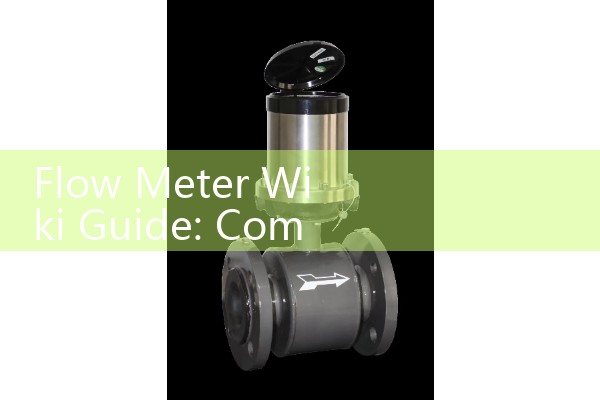
Flow Meter Wiki Guide: Comprehensive History, Technical Evolution, and Classification of Flow Sensors
Quick Answer: Industrial flow meters started as mechanical totalizers and differential pressure devices. Today they include Coriolis, electromagnetic, ultrasonic, vortex, oval gear, and thermal mass sensors with digital outputs like 4-20 mA HART and Modbus. Silver Automation Instruments helps buyers in Southeast Asia, Oceania, Latin America, Africa, and the Middle East match a flow meter to pipe size, fluid, pressure, temperature, and flow range.
1. Short History of Industrial Flow Measurement
Flow measurement began with basic weirs and floats. Early industrial sites used differential pressure elements with manometers. These devices gave local indication only. Operators wrote readings on paper logs. Accuracy was often 2 to 5 percent of full scale.
By the 1950s, positive displacement meters such as oval gear and turbine designs became common for oil and fuels. The 1970s brought electromagnetic meters for water and wastewater. In the 1980s, Coriolis mass flow meters moved from laboratory prototypes to process plants. Later decades added digital electronics, HART, Modbus, and remote diagnostics.
2. Technical Evolution: From Mechanical Totalizers to HART and Modbus
Mechanical flow meters needed local reading and frequent maintenance. Moving parts wore out in dirty fluids. Engineers had to open pipes and clean gears or rotors. That service work added downtime.
Electronic transmitters changed field practice. Analog 4-20 mA signals allowed a flow meter to send data to a control room. HART added digital diagnostics without extra wiring. Modbus and fieldbus protocols gave more variables: flow rate, totalized volume, temperature, and density. A modern Coriolis meter can measure mass flow in kg/h, density in kg/m3, and temperature in °C at the same time.
3. Classification of Flow Sensors
Flow sensors fall into several main groups. The first group is differential pressure devices, including orifice plates, Venturi tubes, and wedge meters. These work well for steam and clean gas. They need pressure tapping and a secondary transmitter.
The second group is positive displacement meters. Oval gear flow meters belong here. They suit diesel, fuel oil, lubricants, and viscous chemicals. Typical accuracy is 0.5 percent of reading. A paint manufacturer in Southeast Asia bought oval gear meters for resin batches of 500 to 2000 cP.
The third group is velocity or inferential meters. Electromagnetic, ultrasonic, vortex, and turbine meters fall into this group. Electromagnetic flow meters need a conductive fluid with conductivity above 5 µS/cm. They are common in water, wastewater, and desalination plants. Ultrasonic meters can be clamp-on or inline. Vortex meters handle steam and compressed air.
The fourth group is mass flow meters. Coriolis and thermal mass meters belong here. Coriolis meters measure true mass flow. Thermal mass meters work for gases and compressed air. They do not need temperature and pressure compensation.
4. Key Flow Meter Types and Industrial Use Cases
Coriolis mass flow meters fit chemical dosing, palm oil, LNG, and food and beverage. A customer in Vietnam asked us last year for a Coriolis meter on a 50 mm line measuring palm oil at 120 °C and 10 bar. We supplied a meter with 316L stainless steel wetted parts and a 4-20 mA HART output.
Electromagnetic flow meters fit water intake, sludge, and seawater desalination. A seawater flow meter for desalination plant feed lines often has a PTFE liner and titanium electrodes. A plant in Saudi Arabia chose a DN150 electromagnetic flow meter for seawater at 25 °C and 6 bar. Output was pulse and 4-20 mA.
Vortex flow meters fit saturated steam and compressed air. A textile plant in Bangladesh installed a DN80 vortex meter for steam at 8 ba
Oval gear flow meters fit diesel transfer and fuel oil measurement. A mining company in Peru used oval gear meters on diesel lines from 15 mm to 40 mm. They wanted mechanical registers plus pulse output. Accuracy was 0.5 percent of reading.
Thermal mass flow meters fit biogas, natural gas, and compressed air. An automotive parts plant in Mexico installed thermal mass meters to measure compressed air flow from 20 to 400 Nm3/h.
5. How to Select a Flow Meter
Here is the thing. Price is only one part of the decision. Start with fluid type. Check conductivity if you consider electromagnetic. Check viscosity if you consider oval gear. Check gas composition if you consider thermal mass.
Then define pipe size. Nominal sizes from DN15 to DN300 cover most industrial sites. Next, set flow range and pressure. For example, a chemical plant may need 0 to 5000 kg/h on a DN50 line at 12 bar and 80 °C. We have seen wrong sizing on customer sites many times.
After that, choose output and approvals. A typical requirement is 4-20 mA HART plus Modbus RTU. Hazardous areas may need ATEX Zone 1 or IECEx. Finally, ask about maintenance access. A clamp-on ultrasonic meter can reduce shutdowns on large pipes. Ask for that option.
6. Buying Patterns in Key Regions
In Southeast Asia, customers often ask for electromagnetic flow meters for river water and palm oil. Price matters but lead time and local support also count. In the Middle East, desalination and oil and gas projects drive demand for Coriolis and electromagnetic meters.
In Latin America, mining and food and beverage plants buy vortex, electromagnetic, and oval gear meters. African customers often need water and wastewater meters with solar power and battery logging. Oceania customers look for water compliance and irrigation flow measurement.
7. FAQ
Which flow meter is best for seawater?
Electromagnetic flow meters with PTFE or rubber liners and titanium or Hastelloy electrodes work well for seawater. Size and pressure decide the final model.
What is the difference between Coriolis and thermal mass flow meters?
Coriolis meters measure liquid and gas mass flow directly. Thermal mass meters measure gas flow using heat transfer. Choose Coriolis for liquids and high accuracy. Choose thermal mass for low gas flow rates.
Do flow meters need temperature and pressure compensation?
Vortex and differential pressure meters for gas often need compensation. Coriolis and thermal mass meters measure mass flow directly. Electromagnetic meters measure volumetric flow and do not need density compensation for water.
Can Silver Automation Instruments supply ATEX Zone 1 flow meters?
Yes. Silver Automation Instruments supplies flow meters with ATEX Zone 1 and IECEx options for Coriolis, vortex, and thermal mass types. Send the gas group and temperature class for a quote.
What information do you need for a flow meter quote?
Send us your pressure in bar, temperature in °C, pipe size DN, and flow range. Also tell us the fluid name, viscosity for liquids, and required output such as 4-20 mA HART or Modbus.
8. Contact Silver Automation Instruments
Silver Automation Instruments is a flow meter manufacturer and supplier for end users and distributors. Product range includes Coriolis mass flow meters, electromagnetic flow meters, ultrasonic flow meters, vortex flow meters, oval gear flow meters, thermal mass flow meters, pressure transmitters, and paperless recorders.
For a quote, send your pipe size, flow range, fluid, pressure, temperature, and output signal. You can reach us at Tel +86-25-68650347, WhatsApp +86-25-52155837, WeChat +86 15365082610. Visit flow-meter.com.au for technical datasheets and selection guides.