

 Current position > Product detail
『Best Water Cooling Flow Meter: Sourcing Electronic Desktop Rig Loop Hardware』Related information(v cone flow meter|rotary gas meter|gallon meter|gear meter|metal tube rotameter|glass tube rotameter|nutating disk meter|transit time ultrasonic flow meter|wedge flow meter|pd meters|hydraulic flow meter|ultrasonic water flow meter|water flow meter|air flow meter|magnetic water flow meter|oxygen flow meter|gas flow meter|argon flow meter|air velocity meter|gasoline flow meter|fuel flow meter|ultrasonic water meter|digital water meter|nitrogen flow meter|solid flow meter|Oxygen tank flow meter|digital water flow meter|diesel fuel flow meter|steam flow meter|02 flow meter|compressed air flow meter|oil flow meter|liquid flow meter)
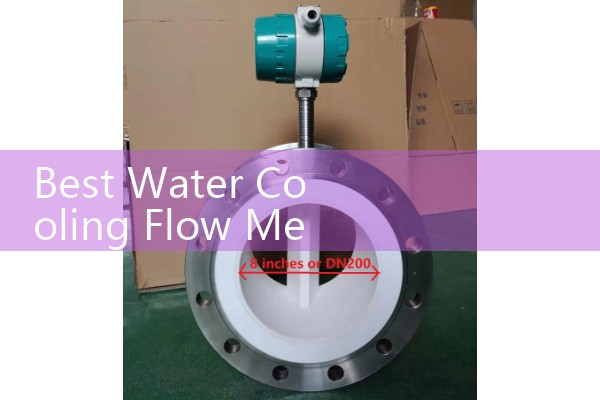
Best Water Cooling Flow Meter: Sourcing Electronic Desktop Rig Loop Hardware
Quick Answer: For most desktop rig cooling loops, use a thermal mass flow meter for water or water glycol from 0.2 to 10 L/min. Use a small Coriolis mass flow meter when you need direct mass flow, density data, or high accuracy. Both can send 4-20 mA, pulse, RS485, or HART signals to a PLC or data logger.
This guide is for engineers and sourcing staff who buy flow meters for electronic desktop rig loop hardware. We focus on small line sizes, low flow rates, and control system outputs.
Silver Automation Instruments supplies flow meters to users in Southeast Asia, Oceania, Latin America, Africa, and the Middle East. We see many small cooling loops in electronics test benches, laboratory chillers, and desktop rigs.
Start with loop parameters, not meter type
Most engineers skip this part. They search for a flow meter and then force the loop to fit the meter. That is the wrong order. Write down flow range, fluid type, pipe size, and output signal first.
A desktop rig loop often runs a 12 V or 24 V pump through 6 mm to 13 mm tubing. Flow is usually 0.5 to 4 L/min. Pressure is low at 0.5 to 2 bar. Temperature sits between 20 °C and 60 °C. The fluid is often distilled water or a premixed water glycol coolant.
Because the pipe size is small and flow is low, many full size industrial meters will not work well. You need a meter built for DN4 to DN15 lines. You also need a meter that can handle low conductivity coolant if the loop uses deionized water. That point removes many electromagnetic flow meter selections.
Match the meter technology to the loop
A thermal mass flow meter is the practical first choice. It has no moving parts. It installs inline with small tube fittings. It measures low flow and outputs 4-20 mA or pulse. We have supplied these for test benches in Singapore and Manila where flow stayed under 3 L/min.
A Coriolis mass flow meter is the better choice when your loop uses mixed coolant or changes temperature. It gives direct mass flow, not volume. If water glycol ratio shifts or the fluid gets warm, the mass reading stays useful. The cost is higher, but you get 0.1 to 0.2 percent of rate accuracy and density data. Silver Instruments can size Coriolis meters for 0.1 kg/h to 500 kg/h.
An oval gear flow meter works for some coolant oils and viscous fluids. It is not the best pick for pure water with no lubricity. The gear can wear. We saw this in a paint manufacturer in Vietnam that used an oval gear meter on thin solvent. In a desktop water loop, the oval gear choice adds risk without a real benefit.
An electromagnetic flow meter is strong for conductive water and wastewater. But many desktop rig loops use ultra pure water. If coolant conductivity is below 10 µS/cm, the magnetic meter may read zero or become unstable. Do not select a magnetic meter for deionized water unless you verify the minimum conductivity with the supplier.
A mini turbine or paddle wheel meter is cheap, but it has moving parts. At low velocity in a small loop, repeatability can be poor. We rarely recommend a turbine for desktop rig loops unless the budget is tight and the fluid is clean water at stable flow.
What we see on real customer sites
Last year a customer in Indonesia built a desktop electronics thermal test rig. The loop used a 10 mm tube and a small DC pump. Flow ran at 2.5 L/min with a water glycol mix at 35 °C. The customer needed a low flow alarm. We supplied a compact thermal mass flow mete
Another customer in Australia needed a Coriolis meter on a laboratory chiller loop. The coolant density changed with the glycol mix. The meter now sends HART data to a recorder. A built in PT100 reports temperature on the same loop. This gives flow and temperature from one instrument.
Here is the thing. A desktop rig loop does not need a huge pipe meter. It needs small line accuracy, tight connections, and a signal the system can read. Silicone and clear PVC tubing are common. You need fittings that match the meter body and do not leak.
Recommended Silver Instruments pairings
For water only or water with glycol from 0.2 to 10 L/min, ask for a Silver Instruments thermal mass flow meter for DN4 to DN15. Choose pulse output for totalizing or 4-20 mA for continuous process control.
For direct mass flow, batch recording, or mixed coolants, choose a Silver Instruments Coriolis mass flow meter. Specify minimum and maximum flow in kg/h. Also specify fluid density range if you know it.
For a larger cooling distribution line from DN20 to DN50 with conductive water, a Silver Instruments electromagnetic flow meter may fit. But only if water conductivity is high enough. Send the conductivity value in µS/cm to confirm.
What to prepare before you request a quote
We can give a budget price quickly if you send four data points. Pipe size in DN or mm. Fluid type and glycol percentage if it is a mix. Flow range in L/min or kg/h. Temperature and pressure in °C and bar. Also tell us the output you need, such as 4-20 mA, pulse, RS485, or HART.
Our sales team answers within 24 hours on working days. Contact Silver Automation Instruments for a specific recommendation. Tel: +86-25-68650347. WhatsApp: +86-25-52155837. WeChat: +86 15365082610. You can also visit our site at flow-meter.com.au.
FAQ
What is the best water cooling flow meter for a desktop rig loop?
A thermal mass flow meter is the best balance of cost, size, and reliability for most loops from 0.2 to 10 L/min. A Coriolis mass flow meter is better when you need direct mass flow and high accuracy.
Can I use an electromagnetic flow meter with distilled water coolant?
Usually no. Distilled and deionized water have very low conductivity. Most electromagnetic flow meters need above 5 to 20 µS/cm. Below that the reading may drift or fail. Use a thermal mass or Coriolis meter instead.
What flow range should a desktop rig flow meter cover?
Cover 0.5 to 5 L/min as normal working range. Some loops run below 0.2 L/min and some pumps reach 8 L/min. Tell us the full span, not only the normal point.
Do I need a display on the flow meter?
A display helps during commissioning and maintenance, but it is optional if the signal goes to a PLC or control board. Choose 4-20 mA or pulse output and add a local display if operators need a quick visual check.
Can Silver Instruments supply a water cooling flow meter for a small tube size?
Yes. We can supply small line meters for DN4 to DN15 tubing. Send us your pressure in bar, temperature in °C, pipe size in mm, and flow range in L/min or kg/h. We will recommend a specific model and budget price.
For a desktop rig loop, avoid oversizing the meter. A DN15 meter will read better at 2 L/min than a DN25 meter forced to work at the bottom of its range. Start small. Choose the right technology. Then let the output signal protect the loop or feed the data logger.